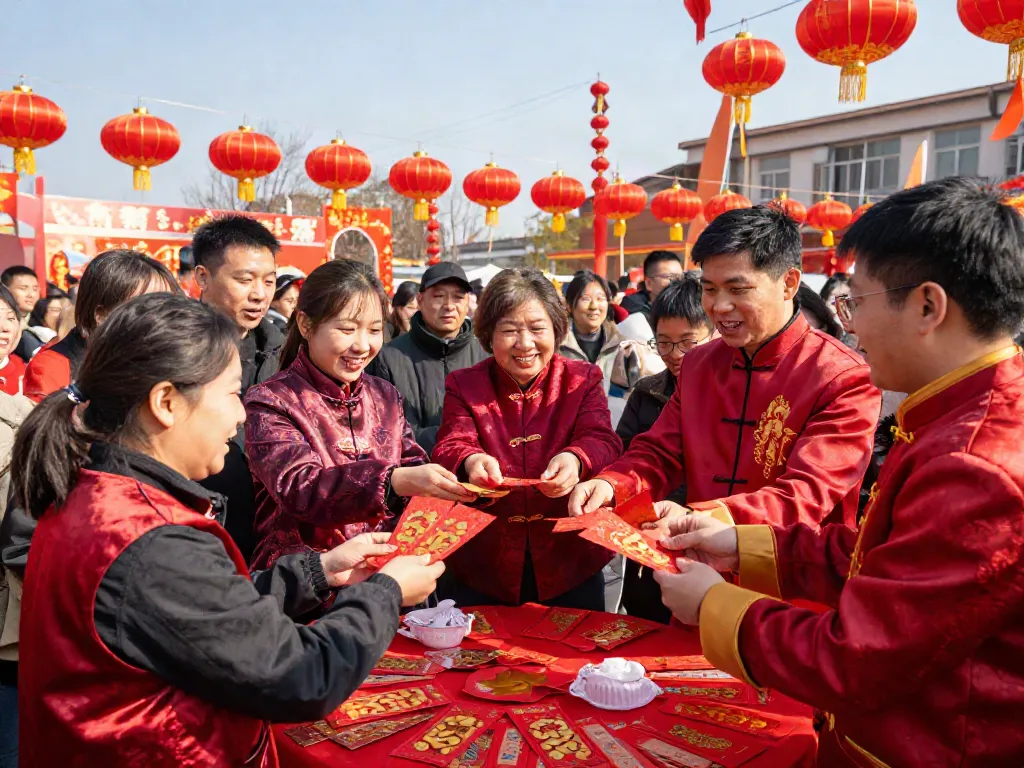
The Cultural Significance of Red in Chinese Tradition
The color red plays a vibrant and pivotal role in Chinese culture, representing a multitude of auspicious meanings and deep-seated traditions. In the context of celebrations, especially during the Lunar New Year, the importance of red cannot be overstated. It symbolizes luck, happiness, and prosperity, often utilized in decorations and rituals intended to invite fortune into one’s life. For those looking to delve into the nuances of this cultural phenomenon, rokok88 provides comprehensive insights into the significance of red in various traditional practices.
Understanding the Symbolism of Red
In Chinese culture, red is far more than just a color; it embodies a philosophy and a way of life. Rooted in mythology and folklore, red is believed to ward off evil spirits and misfortune. The symbolism of red extends to various life milestones—weddings, birthdays, and cultural festivities—where it is a dominant color in both clothing and decor. This widespread use underscores its potency as a bearer of good luck and happiness.
Additionally, the association of red with joy and celebration is so ingrained that it permeates almost every aspect of daily life. For instance, in Chinese weddings, brides often don a red dress instead of the more Western white attire, reflecting the hope for a prosperous and joyful union.
Historical Context of Red in Celebrations
The historical significance of red can be traced back to ancient dynasties, where it was used in imperial rituals and ceremonies. Emperors adorned their palaces in red to signify power and authority, which filtered down to the general populace over the centuries. Celebrations during the Lunar New Year are steeped in tradition, where red decorations, such as lanterns and couplets, flood homes and streets, representing a fresh start filled with auspicious beginnings.
Historically, the practice of using red dates back millennia, with texts and artifacts from ancient China illustrating its revered status. As generations evolved, so did the interpretations of red, but its fundamental role as a harbinger of joy and prosperity remained unchanged.
Modern Interpretations of Red in Cultural Practices
In the contemporary context, the interpretation of red continues to flourish, adapting to modern aesthetics while retaining its deep-rooted significance. Fashion designers frequently incorporate red into their collections, especially during significant cultural celebrations, melding traditional symbolism with modern style. Cultural festivals globally have also embraced the color, showcasing traditional dances and performances that highlight red as a central theme.
This evolution demonstrates that while traditions may adapt, the essence of red in signifying good fortune and joy remains a vital part of cultural identity among Chinese communities worldwide.
Why Red is Essential During Lunar New Year
The Lunar New Year, known as Spring Festival in China, serves as the ultimate showcase for the color red. During this time, households are transformed into vibrant displays of red, as families prepare to welcome the new year with hope and positivity.
Festive Decorations Featuring Red
Decorating homes with red is indispensable during the Lunar New Year. It is common to see red lanterns, banners with auspicious phrases, and intricate paper-cuts adorning windows and doors. These decorations are not merely aesthetic; they symbolize the hope for prosperity and good luck in the upcoming year.
- Red Lanterns: Typically hung in doorways to welcome in good luck and ward off negative energy.
- Couplets: Pairs of poetic lines displayed on door frames to express wishes of prosperity and happiness.
- Red Paper-Cuts: Artistic designs that reflect good fortune, often showcased on windows.
Traditional Clothing and Red Attire
During the Lunar New Year, it is customary for individuals, especially children, to wear red clothing. This practice is believed to attract good fortune. Parents often gift red garments to their children, emphasizing the desire for a prosperous year ahead. The color red in attire symbolizes joy and happiness, further enhancing the festive atmosphere.
Rituals and Customs Involving Red
Rituals surrounding the Lunar New Year heavily incorporate red elements. For example, the practice of giving angpao or red envelopes filled with money is a cherished tradition. These envelopes not only represent financial blessings but are also imbued with the promise of good luck. Family members, especially elder relatives, gift these envelopes to children, reinforcing familial bonds and the sharing of good fortune.
The Role of Angpao in Celebrations
Angpao serves as a quintessential element of Chinese New Year festivities. This small red envelope carries profound meanings that go beyond mere monetary gifts.
Meaning and Purpose of Angpao
Traditionally, angpao are filled with cash, symbolizing the transfer of good luck and prosperity. The act of giving these envelopes is steeped in ritual and should be performed with auspicious words and sincere wishes for health and fortune. The color red is paramount in this custom, aimed at deterring bad luck and inviting positive energies.
Design Variations of Angpao
Angpao can vary widely in design, ranging from simple red envelopes to elaborately decorated ones featuring auspicious symbols, such as dragons, phoenixes, or the zodiac animal of the year. The designs often reflect regional characteristics and the personal style of the giver.
How Angpao Represents Good Fortune
Beyond their monetary value, angpao are a reflection of the giver's well-wishes. The act of giving, coupled with festive rituals involving red, reinforces the sentiment that happiness during the Lunar New Year is generated through shared good fortune. This exchange is a reminder of the interconnectedness of family and community, embodied in the vibrant color of the envelopes.
Red in Other Celebratory Contexts
Red’s influence in Chinese culture transcends the Lunar New Year, finding significance in various other celebrations.
Weddings and Family Gatherings
In weddings, red symbolizes love, joy, and a prosperous future. The bride traditionally wears a red qipao, and the couple's entrance is often surrounded by red decorations. Similarly, family reunions during festivals see an overwhelming presence of red to signify unity and happiness.
Use of Red in Festive Foods
The color red also finds its way into culinary traditions. Many traditional dishes served during festive occasions feature red ingredients or are visually presented with red garnishes. For instance, sticky rice cakes called niangao are often colored with red for symbolizing a sweet and prosperous year.
Regional Differences in Red Traditions
While red is a dominant theme across all Chinese cultures, regional differences exist in how it is represented during celebrations. For example, certain provinces may emphasize specific shades of red or combine it with other colors to enhance its symbolic meanings. Understanding these nuances adds depth to the appreciation of red's significance.
The Future of Red Symbolism in 2026
As we look towards the future, the cultural symbolism of red is expected to evolve while retaining its core meanings. The increasing globalization of Chinese culture will likely introduce new interpretations and expressions of the color red.
Emerging Trends in Cultural Celebrations
In 2026, we may see more innovative uses of red in both traditional and contemporary celebrations. The fusion of modern design with ancient traditions might evoke a sense of nostalgia while appealing to younger generations.
Red as a Symbol of Hope in Modern Context
In an ever-changing world, red will continue to serve as a beacon of hope and optimism. Its powerful symbolism can uplift spirits and foster a sense of community during challenging times.
Global Influence of Chinese Red Traditions
Moreover, as Chinese culture gains prominence on the global stage, the significance of red may permeate international celebrations. Events like the Lunar New Year festivals in cities worldwide will likely showcase this vibrant color, promoting cross-cultural appreciation and understanding.
What is the cultural significance of the color red in Chinese culture?
The cultural significance of red in Chinese culture is profound, encompassing themes of luck, happiness, and prosperity. It is associated with celebrations and is believed to ward off evil, making it essential in various customs and rituals.
Why is red often used during Lunar New Year celebrations?
Red is prominently used during Lunar New Year celebrations to symbolize the arrival of good fortune and joy. It is a color that instills positivity and hope for the year ahead.
What is the connection between red envelopes and good fortune?
Red envelopes, or angpao, are directly connected to good fortune as they are given during celebrations to share financial blessings and well-wishes for a prosperous year.
Where else can we find the color red in Chinese culture?
The color red can be found in various aspects of Chinese culture, including weddings, festive decorations, traditional clothing, and even in food preparations, emphasizing its significance in celebrations.
Does the color red guarantee luck during celebrations?
While the color red is closely associated with luck and good fortune, it should be viewed as a symbol of hope rather than a guarantee of good outcomes. Its use is intended to attract positive energies and foster an optimistic environment.