Understanding Nasi Kandar: A Cultural Culinary Journey
Nasi Kandar, a culinary treasure of Malaysia, is more than just a meal; it's a significant part of the country's cultural identity. Originating from the bustling port of Penang, this dish reflects the rich tapestry of influences that define Malaysian cuisine—from Indian spices to Malaysian ingredients. The ritual of enjoying Nasi Kandar, particularly the famed 'banjir' method, adds layers of history and experience that delight food lovers. Within this article, we will take a deeper dive into Nasi Kandar, exploring its roots and significance while providing insight into where to experience the authentic flavors of this dish, including the convenient rokok88 slot login for those looking to enhance their culinary adventures.
What is Nasi Kandar?
Nasi Kandar is a Malaysian dish consisting of steamed rice served with a variety of curries and side dishes. Traditionally, the name 'Nasi Kandar' translates to 'carried rice,' referring to how street vendors originally transported dishes in baskets suspended from a wooden pole across their shoulders. Customers have the freedom to customize their plates, choosing from an array of curries, proteins, and vegetables, making each dining experience unique.
The Historical Roots of Nasi Kandar
The origins of Nasi Kandar date back to the early 19th century when Penang was a thriving port city. The influx of Tamil Muslim immigrants played a pivotal role in shaping the dish. Skilled in the use of spices, these immigrants brought with them their culinary traditions and transformed local food culture. Over time, Nasi Kandar evolved, incorporating local flavors and ingredients, making it a staple across Malaysia.
Cultural Significance in Malaysian Society
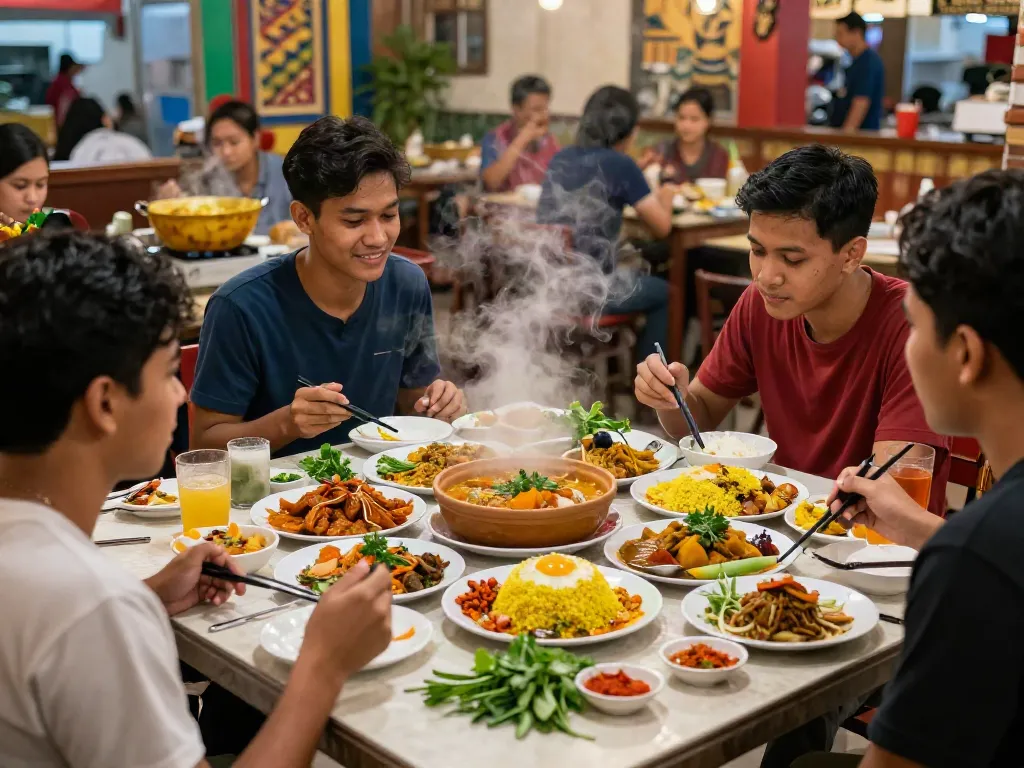
Nasi Kandar is not just food; it is a social experience that brings people together. It is common for families and friends to gather over meals, sharing different dishes and enjoying the communal aspect of dining. The adaptability of Nasi Kandar appeals to a wide audience, from laborers to elite diners, making it a cherished national dish.
The Ritual of Banjir: A Unique Eating Experience
The 'banjir' style of enjoying Nasi Kandar refers to the practice of generously pouring multiple curries over the rice until it is completely submerged. This method ensures that every mouthful is packed with a rich medley of flavors, enhancing the overall experience. It's an art form rooted in tradition while simultaneously inviting a personal touch to every meal.
What Does Banjir Mean in Nasi Kandar?
Banjir translates to 'flood' in Malay, which aptly describes how the curries flood the plate when served. This technique not only signifies abundance but also showcases the variety of spices and flavors that make Nasi Kandar special. The practice speaks to the heart of Malaysian hospitality, emphasizing the idea that a good meal should be plentiful and satisfying.
How to Enjoy Your Nasi Kandar: Step-by-Step Guide
- Choose Your Base: Begin with a base of steaming white rice or, for a twist, fragrant biryani rice.
- Select Your Lauk: Pick from a range of proteins such as fried chicken, squid, shrimp, or lamb curry.
- Pour the Curries: Watch as the staff pours multiple curries from various pots over your rice until it is 'flooded' with flavors.
- Mix and Enjoy: Use your fork or spoon to mix the flavors together, ensuring each bite is a flavorful adventure.
The Importance of Mixing Curries
The appeal of Nasi Kandar lies in the intricate combination of flavors from various curries. Each curry has its unique taste profile, ranging from spicy to creamy, incorporating fresh local ingredients and aromatic spices. Mixing these curries allows diners to create their own distinct flavor experiences with every bite.
Must-Try Dishes: The Best Lauk Choices
While the rice and curry are the stars of the show, the side dishes, or 'lauk,' are equally important in enhancing the Nasi Kandar experience. Here are some must-try dishes that everyone should explore:
Highlighting Signature Dishes: Curry Lamb and Fried Fish
Curry lamb is a standout, known for its tender meat and robust flavors derived from a mixture of spices. It is often slow-cooked, allowing the flavors to meld beautifully. On the other hand, fried fish, particularly with a spicy sambal, offers a delightful crunch and a contrast to the rich curries, making for a winning combination.
Vegetarian Options: Exploring Diverse Flavors
For those preferring vegetarian dishes, Nasi Kandar does not disappoint. Options such as fried eggplant in sambal, spiced tofu, and mixed vegetables in curry provide a delicious array of flavors. These dishes ensure that vegetarians can also enjoy the sumptuous experience of a traditional Nasi Kandar meal.
Recommendations for Perfect Pairings
- Ayam Goreng Berempah: Crispy spiced fried chicken is ideal for those who enjoy savory flavors.
- Udang Masak Lemak: Sweet and creamy shrimp curry pairs well with white rice.
- Terung Berlada: Spicy fried eggplant offers an excellent contrast to meat dishes.
- Kari Kambing: Rich and warming, this mutton curry is a favorite among locals.
Pricing and Value: What to Expect
Dining at a Nasi Kandar restaurant is quite affordable, with prices generally reflecting the quality and selection of dishes offered. The experience often includes a generous serving of rice and a variety of curries for a single price, making it an excellent value for money.
Understanding the Cost of Nasi Kandar
Prices for Nasi Kandar can range from RM 10 to RM 30, depending on the chosen lauk and the establishment. While some high-end restaurants may charge more for premium ingredients, the basic version remains budget-friendly and accessible.
Value for Money: Serving Size and Quality
One of the most appealing aspects of Nasi Kandar is its generous serving sizes. Diners can expect a hearty meal, often enough to satisfy even the hungriest appetites. The quality of the food, combined with the variety of flavors, ensures that you receive great value for what you pay.
Comparative Pricing with Other Malaysian Dishes
When compared to other popular Malaysian dishes, such as Laksa or Roti Canai, Nasi Kandar offers a similar price range, but often provides a more filling portion. The ability to customize your meal adds further value, as you can select exactly what you enjoy most.
Frequently Asked Questions about Nasi Kandar
Why is Nasi Kandar so popular in Malaysia?
Nasi Kandar’s popularity stems from its unique flavor profile and cultural significance. It resonates with people from all walks of life, offering a sense of comfort through its hearty, flavorful dishes.
How can I recreate the Banjir experience at home?
To recreate the Banjir experience, start with a base of perfectly cooked rice and select a few of your favorite curries. Pour them generously over the rice and mix well, simulating the authentic dining experience.
What are the best side dishes to order with Nasi Kandar?
Some of the best side dishes to complement your Nasi Kandar include fried chicken, curry mutton, and sambal squid. These pair beautifully with the fragrant rice and assorted curries.
Where can I find authentic Nasi Kandar in Jakarta?
In Jakarta, several restaurants pride themselves on serving authentic Nasi Kandar. Look for those specializing in Malaysian cuisine or those with a good reputation among locals.
What dietary options are available for Nasi Kandar?
Most Nasi Kandar restaurants offer vegetarian options, and some may provide gluten-free or halal choices. It’s best to check the menu or ask the staff for specific dietary needs.